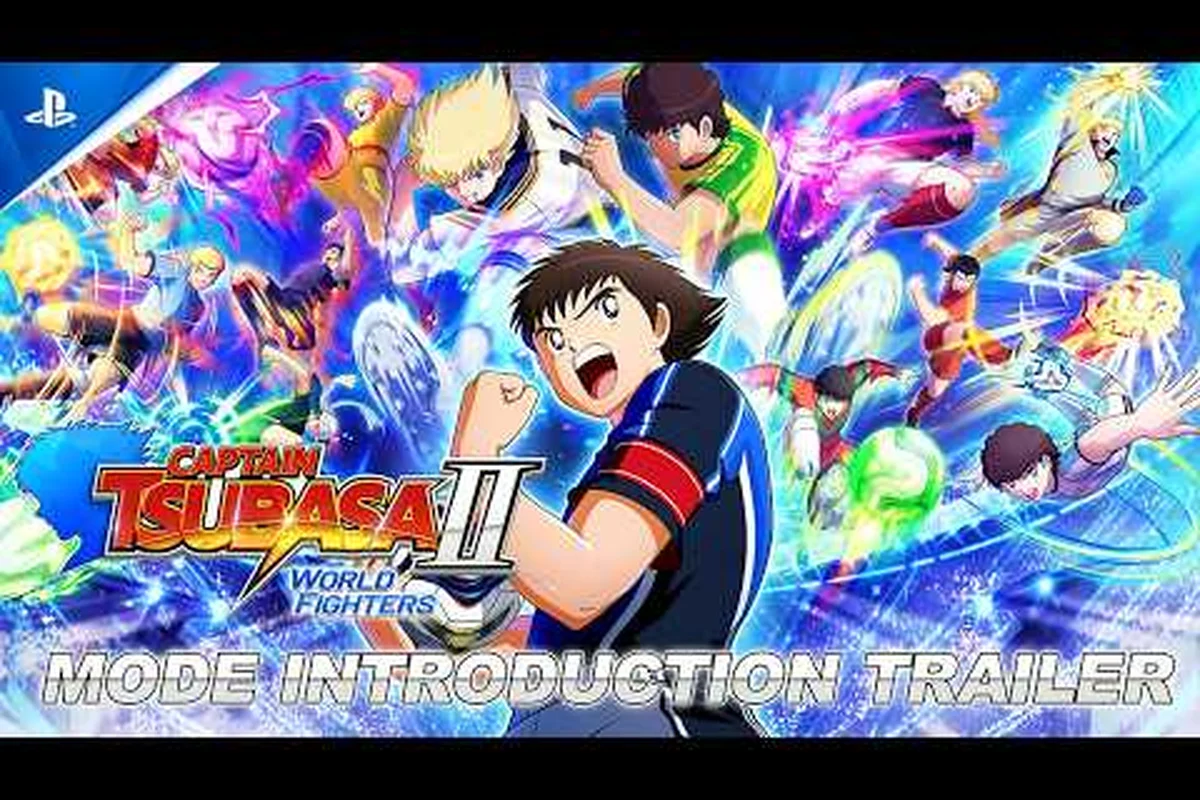
The Captain Tsubasa 2: World Fighters online multiplayer experience finally delivers the head-to-head soccer action fans have waited for, pairing ranked ladders with casual lobbies and couch co-op. This Captain Tsubasa 2: World Fighters PvP guide breaks down every match type, the matchmaking system, and the tactical adjustments you need to climb against global opponents. Whether you want to prove your squad is the best or just settle a score with a friend on the same couch, knowing how each mode works before you queue saves you from costly first-match mistakes.
According to the official Steam page for the game, online multiplayer supports up to two players in versus matches, a detail that highlights the game’s focus on head-to-head competition rather than large-scale lobbies.
How Online Lobbies Pair You With Rivals
The online suite in World Fighters centers on 1v1 battles where you control a full national team against another player's squad, and the official Steam listing confirms that Versus supports both local split screen and online PvP. Ranked play pairs you with opponents of similar skill through a matchmaking system that considers your current division, while casual matches let you experiment with any of the 22 national teams without risking your standing. Cross-region matchmaking is enabled by default, which means you can face opponents from Japan, Europe, or the Americas depending on the time of day you queue.
Because the game uses a peer-to-peer connection model rather than dedicated servers, your match quality depends heavily on both players' internet stability. The lobby screen displays a connection quality indicator before you confirm the match, and you can back out if the latency bars look unfavorable. According to community reports, players on wired connections experience significantly fewer desync issues than those on Wi-Fi, especially during super move animations that require precise timing.
| Online Mode | Ranked Impact | Matchmaking Pool | Best For |
|---|---|---|---|
| Ranked 1v1 | Division points gained or lost | Skill-based, global | Climbing the ladder |
| Casual 1v1 | No ranking change | Open matchmaking | Testing new teams |
| Private Lobby | No ranking change | Friend or invite only | Practice with known players |
| Local Versus | No ranking change | Same console | Split screen matches |
The ranked season structure resets divisions periodically, and the leaderboard tracks the top players across all regions. Your division determines the cosmetic rewards you earn at season end, which range from alternate jersey colors to exclusive player titles that display in the lobby. The matchmaking algorithm also factors in your team's overall rating, so you cannot simply pick the highest-rated squad and expect an easy path through lower divisions.
Ranked Play Divisions and Progression System
Ranked vs. Casual Cross-Region Matchmaking in Online Versus
Ranked and casual 1v1 matches both draw from the same cross-region matchmaking pool, but the stakes differ sharply. In ranked, the goalkeeper-versus-shooter duel system becomes the deciding factor—a single misread of a penalty-area duel can cost you division points. Casual matches allow you to test the stamina system's edge cases, like spamming Drive Shots with Tsubasa early to force opponent fatigue, without risking your ladder position. Cross-region play means you'll face South American and European playstyles, so adapt your tackling timing to higher-latency duels.
Split Screen Versus and the 22-Team Roster
Local split screen supports the full 22 national teams plus Sao Paulo, making it the definitive couch-competition mode. Unlike online's cross-region pool, local matches let you set exact match length and difficulty, ideal for testing the stamina system's tactical layer. A practical example: two players can grind out a full-length match to learn how explosive super moves drain stamina, then apply that knowledge online. The goalkeeper-versus-shooter duel becomes a mind game in split screen—your opponent watches your input, so mixing shot types and feints is essential to beat a reactive keeper.
Ranked matches in Captain Tsubasa 2: World Fighters online multiplayer follow a division ladder that starts at Bronze and climbs through Silver, Gold, Platinum, and Diamond before reaching the exclusive Legend tier. Each win grants division points based on your opponent's rating, while losses deduct points, and the system awards bonus points for win streaks of three or more. The promotion system requires you to win a set number of matches within your current division before advancing, which prevents players from climbing purely on volume.
Division Point Multipliers apply based on the gap between your rating and your opponent's rating, so beating a higher-ranked player accelerates your climb while losing to a lower-ranked player costs more points. The game displays your current division progress after every match, showing both the points gained and the progress bar toward promotion. Relegation protection activates after you reach Gold division, meaning you cannot drop back to a lower division once you have secured your spot.
| Division | Points Per Win | Points Per Loss | Promotion Requirement |
|---|---|---|---|
| Bronze | 20-25 | -10 to -15 | 5 wins |
| Silver | 18-22 | -12 to -18 | 8 wins |
| Gold | 15-20 | -15 to -20 | 10 wins |
| Platinum | 12-18 | -18 to -25 | 12 wins |
| Diamond | 10-15 | -20 to -30 | 15 wins |
| Legend | 8-12 | -25 to -35 | Top 500 ranking |
The Ranked Match Timer defaults to 5-minute halves, which is shorter than the 10-minute halves used in Journey mode, forcing you to adapt your pacing. Because the match is shorter, conceding an early goal does not doom you, but wasting stamina on unnecessary tackles in the first half can leave your key players exhausted for the final push. Players who reach Platinum and above report that the meta shifts toward defensive discipline and counter-attacking, since the shorter match length rewards efficient possession over risky dribbling.
Local Multiplayer and Split Screen Support
While the online component draws most of the attention, Captain Tsubasa 2: World Fighters local multiplayer remains a core feature for couch gaming sessions. Split screen Versus mode supports two players on the same console, with the screen dividing vertically during open play and switching to a single shared view during set pieces and super move animations. This design keeps the action readable while ensuring both players can track their positioning during the goalkeeper versus shooter duel.
The local mode includes full team selection across the 22 national teams, plus the Sao Paulo club side if you have unlocked it through Journey progression. Match settings allow you to adjust difficulty, match length, and stamina consumption rate, giving you control over the pace of your friendly matches. According to player feedback, the split screen mode runs at a stable framerate on both current-gen consoles, although the visual fidelity drops slightly compared to single-player matches.
Split Screen Match Settings you can customize before kickoff include:
-
Match Length: Choose from 2, 5, or 10-minute halves
-
Stamina Consumption: Normal, Reduced, or Unlimited
-
Super Move Frequency: Normal, Increased, or Disabled
-
Team Rating Equalizer: On or Off, which balances team ratings automatically
-
Goalkeeper Assist: On or Off, which affects the duel timing window
Local Versus also supports a tournament bracket mode for up to 8 players taking turns, which works well for parties where controllers are limited. Each player picks a team, and the bracket randomly seeds the matchups, with the winner advancing and the loser dropping to a consolation bracket. This mode tracks match history within the session, so you can settle bragging rights across multiple games without needing to track results manually.
Picking Your Squad for Online Battles
Division Points and the World Youth Gauntlet in Ranked Play
Ranked progression mirrors the World Youth arc's escalating difficulty curve. Early divisions pit you against opponents using group-stage nations like Thailand and Saudi Arabia, where basic shooting and passing mechanics win. Climbing past mid-tier divisions forces you to counter European giants' tactics—Germany's methodical buildup and France's pace-heavy counters. The final divisions demand mastery of the goalkeeper-versus-shooter duel, as opponents will exploit any weakness against Brazil's Natureza. Each division win rewards points toward promotion, but losses against higher-ranked cross-region players sting more, reflecting the tournament's knockout-stage pressure.
Team Selection Strategy: Countering Meta Picks
In online Versus, team selection is a pre-match chess move. Brazil and Natureza dominate with high-tier shooting, but their stamina costs are punishing—overusing super moves leaves them vulnerable in the second half. Japan with Tsubasa offers balanced stamina management, ideal for sustained pressing. Against Germany, exploit their slower defensive line with quick dribbling and early crosses. For casual matches, experiment with Sao Paulo to master the duel system without ranked pressure. This meta-awareness, grounded in the stamina system and duel mechanics, separates consistent winners from one-match wonders.
Understanding the Captain Tsubasa 2: World Fighters match types goes beyond just picking ranked or casual, because each mode changes how you should approach team selection. In ranked play, the meta favors teams with strong defensive organization and reliable goalkeepers, since the shorter match length reduces the margin for error. Japan's balanced stats make them a popular choice for climbing, while Brazil offers explosive attacking power that can overwhelm opponents who struggle with the duel system.
The Team Rating System assigns each national squad a numerical rating based on player stats, and this rating influences matchmaking in ranked mode. Higher-rated teams face tougher opponents on average, which means picking Brazil does not guarantee easy wins against lower-rated squads. Community testing suggests that the matchmaking algorithm prioritizes finding opponents within a 10-point rating band, so you will rarely face a team rated more than 10 points above or below yours.
| Team | Overall Rating | Playstyle | Ranked Viability |
|---|---|---|---|
| Japan | 88 | Balanced, strong midfield | High |
| Brazil | 92 | Attacking, high stamina drain | Medium |
| Germany | 90 | Defensive, counter-attack | High |
| France | 89 | Technical, build-up play | Medium |
| Netherlands | 87 | Pressing, aggressive | Medium |
| Argentina | 86 | Dribble-focused | Low-Medium |
The Stamina System plays a critical role in match type selection, because online matches consume stamina at the same rate as offline play. Super moves drain significant stamina from your key players, so spamming Tsubasa's Drive Shot repeatedly in the first half leaves him ineffective in the second. Players who focus on possession and quick passing conserve stamina better than those who rely on individual dribbling runs, which is why teams with strong midfielders tend to perform better in ranked play. If you want to practice the fundamental mechanics before jumping into competitive matches, the how to play multiplayer guide covers shooting, passing, and defending basics in detail.
Connection Quality and Matchmaking Tips
Cross-region matchmaking in Captain Tsubasa 2: World Fighters online multiplayer opens up a global player base, but it also introduces latency challenges that can affect your performance. The game displays a ping indicator during matchmaking, and you can set a maximum acceptable ping range in the options menu. Setting this to 100ms or lower reduces the chance of facing opponents from distant regions, although it may increase your queue time during off-peak hours.
Connection Quality Indicators appear in the lobby before match confirmation, showing three bars that represent the expected stability of the connection. One bar indicates a high-latency match that may experience input lag, while three bars suggest a stable connection suitable for competitive play. The game also shows the region of your opponent, so you can make an informed decision before accepting the match.
To improve your connection quality, players recommend the following steps:
-
Use a wired Ethernet connection instead of Wi-Fi to reduce packet loss
-
Close background applications that consume bandwidth, such as streaming services
-
Set your matchmaking region to your local region for lower latency
-
Avoid queueing during peak hours in distant regions if you prioritize connection quality
-
Test your connection speed before starting a ranked session
The Rematch System in casual matches allows both players to vote for an immediate rematch after the final whistle, which is useful for extended practice sessions against the same opponent. Ranked matches do not offer rematches, so each queue is a fresh matchmaking experience. According to community reports, the matchmaking population is healthiest in the evenings across North America and Europe, with queue times averaging under 30 seconds in casual and under a minute in ranked.
Difficulty Settings and Practice Options
Before you dive into competitive play, the game offers several ways to practice against AI opponents with adjustable difficulty settings. The difficulty options range from Easy to Legend, and each tier changes the AI's reaction speed, tackling aggression, and super move usage frequency. Practicing against Hard or Legend AI helps you learn the timing windows for tackles and shots, which translates directly to success in online matches where human opponents exploit similar patterns.
The Practice Mode lets you set up specific scenarios, such as free kicks, corner kicks, and one-on-one breakaways, so you can refine your technique in isolation. This mode is invaluable for learning the goalkeeper versus shooter duel timing, because you can repeat the same scenario dozens of times without the pressure of a full match. The exhibition match guide explains how to configure custom matches for targeted practice sessions.
| Difficulty | AI Reaction Speed | AI Super Move Usage | Recommended For |
|---|---|---|---|
| Easy | Slow | Rare | Learning basic controls |
| Normal | Medium | Moderate | Understanding match flow |
| Hard | Fast | Frequent | Preparing for online play |
| Legend | Very Fast | Constant | Advanced duel practice |
The Training Drills within Practice Mode track your success rate on specific actions, such as successful tackles or shots on target, giving you concrete metrics to improve. Players who spend at least 30 minutes practicing the duel system before entering ranked play report significantly better win rates in their first ten matches. The game also includes an Input Display option in practice mode that shows your button presses on screen, which helps you identify timing issues in your super move execution.
Frequently Asked Questions
Does Captain Tsubasa 2: World Fighters online multiplayer support cross-platform play?
Cross-platform play is not available at launch, meaning PlayStation, Xbox, and PC players are restricted to their own platform's player base. The developers have not announced cross-play plans for future updates, so you should check the platform-specific player population in your region before committing to a purchase.
How long does a typical ranked match last?
A standard ranked match uses 5-minute halves, totaling 10 minutes of match time plus stoppage time. Including pre-match team selection and post-match results screens, you can expect each ranked match to take approximately 15 minutes from queue to completion. The shorter match length compared to story mode encourages more aggressive play early.
Can I play split screen with a friend online against other players?
No, the game does not support online co-op where two local players team up against other players. Local Versus mode is strictly offline, while online play is limited to 1v1 matches with one player per console. If you want to play with a friend online, you would need to queue as opponents rather than teammates.
What happens if I disconnect during a ranked match?
Disconnecting during a ranked match counts as a loss and deducts division points, regardless of the score at the time of disconnection. The game includes a reconnection window of approximately 60 seconds, but if you fail to reconnect, the match is forfeited. Frequent disconnections may result in temporary matchmaking bans.
Are there any rewards for reaching higher divisions in ranked play?
Yes, each season end grants cosmetic rewards based on your highest achieved division, including exclusive jersey colors, player titles, and profile icons. Legend tier players receive a unique animated title that displays in the lobby. The season duration is approximately three months, and your rewards are distributed automatically after the season concludes.