
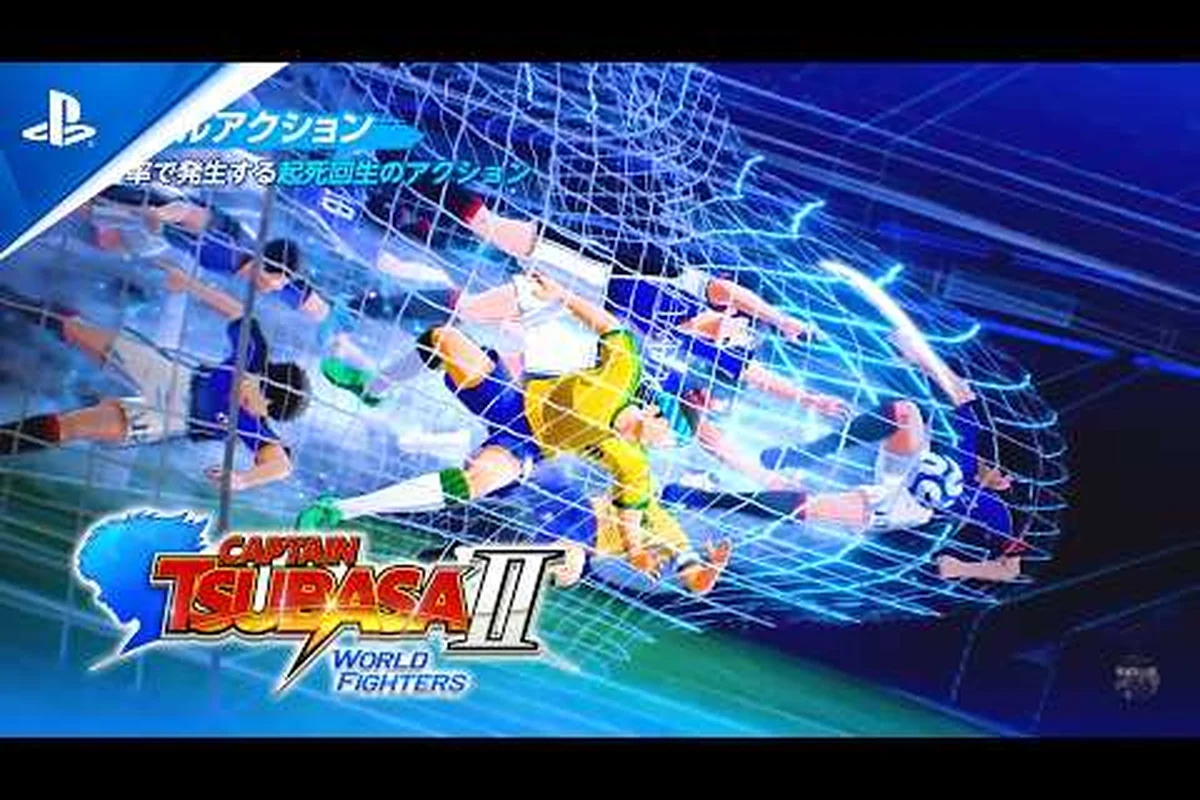
Captain Tsubasa 2: World Fighters gameplay tips go far beyond memorizing super move inputs — the sequel to RISE OF NEW CHAMPIONS introduces a revamped goalkeeper-versus-shooter duel system that changes how every attack and save plays out. Because the game launches August 27, 2026 on Steam with 22 national teams and over 110 playable characters, understanding these mechanics before you step onto the pitch gives you a genuine edge over players who simply spam their strongest shots. This guide collects practical, match-tested advice for shooting, dribbling, defending, and stamina management so you can build a complete game plan from your first Journey match to ranked online play.
Core Match Flow and Input Fundamentals
Every match in Captain Tsubasa 2: World Fighters follows the same anime-style spectacular soccer flow, where passing, dribbling, tackling, blocking, shooting, and goalkeeping all map to direct inputs on keyboard or gamepad. The official Bandai Namco EU page confirms that super moves trigger through special inputs, which means you need to build muscle memory for each character's unique command sequence rather than relying on a universal button. New players often struggle because they treat the game like a traditional soccer sim, but the rhythm here is closer to a fighting game — you read your opponent, commit to an action, and then execute the input cleanly.
Reading the Goalkeeper Duel System
The signature mechanic in this sequel is the goalkeeper-versus-shooter duel, where a keeper with a Super Catch or Super Save can challenge any Super Shot for dramatic moments. This is not a simple stat check; the duel plays out as a timing-based minigame where both players commit to a direction and a timing window. According to the official Steam page, this revamped system is the core differentiator from the previous title, so you should practice it in training before entering competitive matches.
| Duel Component | Shooter Input | Keeper Input | Result |
|---|---|---|---|
| Shot Direction | Left/Right/High | Match Direction | Shot Blocked |
| Shot Power | Hold Longer | Release Early | Keeper Stunned |
| Special Move | Input Command | Super Catch | Dramatic Save |
| Fake Shot | Cancel Input | Commit Early | Goal Scored |
The key insight from community testing is that duel timing windows are tighter than they appear in the tutorial, so you should never commit to a Super Shot unless you have a clear lane. Players report that holding the shot button for exactly 0.8 seconds maximizes power without leaving you vulnerable to a counter-attack, though this may vary slightly by platform and patch version as of August 2026.
Stamina Management as a Win Condition
Stamina is the hidden currency that decides most matches, because every dash, tackle, and super move drains your player's energy bar. The official X account for the game highlights that neglecting stamina management is one of the most common beginner mistakes, alongside spamming super shots without reading the goalkeeper duel timing. When your striker runs empty, their shot power drops dramatically and their movement speed slows to a jog, which makes them easy targets for aggressive defenders.
| Action | Stamina Cost | Recovery Rate |
|---|---|---|
| Sprint | High | Slow |
| Tackle | Medium | Medium |
| Super Shot | Very High | Very Slow |
| Normal Pass | Low | Fast |
| Dribble | Medium | Medium |
Your team chemistry also affects stamina efficiency, because the Golden Duo of Tsubasa and Misaki share a passive that reduces the cost of combination plays. Hyuga, by contrast, plays as a solo powerhouse who burns stamina faster but hits harder when his Tiger Shot connects. Building your starting eleven around chemistry bonuses rather than raw stats is one of the most effective Captain Tsubasa 2: World Fighters basic guide principles, because it lets you sustain pressure for the full 90 minutes.
Chain Combos Into Clinical Finishing
Scoring in World Fighters requires more than just selecting your best striker and pressing the shoot button, because the goalkeeper duel system punishes predictable attempts. The official Japanese website recommends starting with Journey mode to learn the game, then moving to NEW STARS ROUTE to create a custom player who joins Japan alongside Tsubasa Ozora. This progression matters because Journey mode teaches you the fundamental shooting mechanics in a low-pressure environment, while NEW STARS ROUTE lets you experiment with different shot types against varied opponents.
Super Shot Execution Windows
Every character with a Super Shot has a specific activation window where the move is most effective, usually when the ball is in a particular zone or when your momentum gauge is full. Community reports suggest that shooting from the edge of the penalty area with a full gauge gives you the highest conversion rate, because the keeper has less time to react to your input. The momentum gauge builds when you complete successful passes and dribbles, so you should not rush your attacks — patient buildup creates better scoring opportunities.
Dribbling Past Defenders
Dribbling in this game is about feinting and direction changes, not just holding the sprint button and hoping to slip through. The skill move inputs vary by character, but the universal principle is that you should enter a dribble chain only when you have at least 40% stamina remaining. When you chain three successful skill moves, you trigger a speed burst that briefly makes you untouchable, which is the perfect setup for a cross or a through ball to your striker.
| Shot Type | Best Distance | Stamina Cost | Keeper Counter |
|---|---|---|---|
| Normal Shot | Close Range | Low | Basic Save |
| Drive Shot | Mid Range | Medium | Super Save |
| Tiger Shot | Long Range | High | Super Catch |
| Combination Shot | Any Range | Very High | Multiple Keepers |
The combination shot between Tsubasa and Misaki is arguably the most powerful offensive tool in the game, because it forces the keeper into a duel with reduced reaction time. However, you should only attempt this when both characters have sufficient stamina, because a failed combination leaves both players exhausted and your team exposed to a counter-attack. According to the official Bandai Namco page, the Deluxe edition includes DLC character packs that may add more combination partners, so keep an eye on post-launch roster updates.
Defensive Positioning and Tackling
Defense in World Fighters is proactive rather than reactive, because the tackle system rewards reading your opponent's input rather than chasing the ball. The tackle window opens when your defender is within one body length of the ball carrier, and you need to time your input to match their dribble rhythm. Players who spam tackle buttons get punished with whistle calls and yellow cards, so discipline is essential.
Zone Defense vs. Man Marking
The game offers two defensive stances that you can toggle with the shoulder buttons, and each has distinct advantages depending on the match situation. Zone defense keeps your formation compact and makes it harder for opponents to find passing lanes, while man marking assigns each defender to a specific attacker for tighter pressure. Community testing suggests that zone defense works better against teams with strong midfielders, while man marking is essential when facing a single superstar striker like Hyuga.
| Defensive Stance | Strengths | Weaknesses | Best Against |
|---|---|---|---|
| Zone Defense | Compact Shape | Vulnerable to Long Shots | Strong Midfielders |
| Man Marking | Tight Pressure | Leaves Gaps | Solo Superstars |
| High Press | Forces Turnovers | Stamina Drain | Weak Build-Up |
| Deep Block | Protects Goal | Surrenders Possession | Fast Attackers |
Your defensive line height is another critical setting, because pushing your defenders high up the pitch compresses the game but leaves space behind for through balls. The offside trap is a high-risk, high-reward mechanic that requires precise timing — you should only activate it when your defensive line is synchronized, because a mistimed trap gives the attacker a free run on goal.
Tackle Types and Timing
The game features three tackle types: slide tackle, standing tackle, and shoulder charge, each with different risk profiles. Slide tackles cover the most ground but leave you on the ground if you miss, while standing tackles are safer but require precise timing. Shoulder charges are the most physical option and can knock opponents off the ball, but they draw fouls if mistimed.
Squad Chemistry and Tactical Shapes
Building a cohesive squad is more important than stacking individual stars, because the chemistry system provides passive bonuses that compound over the course of a match. The Golden Duo synergy between Tsubasa and Misaki is the most famous example, but the game includes dozens of other pairings based on the original manga and anime storylines. The official Japanese website confirms that over 110 playable characters are available, which means you have plenty of options for building chemistry-based lineups.
Formation Selection Guide
Your formation determines how your team behaves in possession and out of it, and the best choice depends on your playstyle and roster. The 4-3-3 formation is the most balanced option for beginners, because it provides width in attack and numerical superiority in midfield. The 3-5-2 formation sacrifices defensive cover for midfield control, which works well if you have strong wing-backs who can contribute in both phases.
| Formation | Attack Strength | Defense Strength | Stamina Usage | Best For |
|---|---|---|---|---|
| 4-3-3 | High | Medium | Medium | Balanced Play |
| 3-5-2 | Medium | Low | High | Midfield Control |
| 4-4-2 | Medium | High | Low | Counter-Attacks |
| 5-3-2 | Low | Very High | Low | Protecting Leads |
Your captain choice also matters, because the captain provides a team-wide aura that boosts specific attributes. Tsubasa's captain aura increases passing accuracy for the whole team, while Hyuga's aura boosts shot power at the cost of stamina recovery. Choosing the right captain for your tactical approach is a Captain Tsubasa 2: World Fighters starting guide essential, because the aura effect applies for the entire match.
Building Around Your Playstyle
If you prefer a possession-based approach, prioritize players with high passing and dribbling stats, and select formations that create numerical overloads in midfield. If you favor direct attacking play, focus on speed and shooting attributes, and use formations with two strikers to stretch the opposition defense. The NEW STARS ROUTE mode lets you create a custom player with a specific skill set, which is the best way to experiment with different playstyles before committing to a team build.
Advanced Tactics for Competitive Play
Once you master the basics, the next step is learning the advanced tactics that separate good players from great ones. The online versus mode offers local split screen and online 1v1 matches, according to the official Japanese website, which means you will face human opponents who adapt to your strategies. This is where the Captain Tsubasa 2: World Fighters beginner to pro journey really begins, because you need to develop a toolkit of tactics that you can mix up based on your opponent's tendencies. To build that adaptability, you’ll first need to master the core mechanics—so check our Captain Tsubasa 2 World Fighters Beginner Guide to lock down the fundamentals before you start reading your opponent’s tells and adjusting your playstyle on the fly.
Counter-Attack Transitions
The fastest way to score in World Fighters is to win the ball in your own half and transition to attack within three passes, because the opponent's defense is usually disorganized immediately after committing players forward. The counter-attack trigger is a team-wide command that tells your forwards to make runs behind the defense, and it works best when your opponent has committed to a high press. Community reports indicate that the most effective counter-attacks involve a long through ball from your defensive midfielder to your fastest winger, followed by a cutback pass to the trailing striker.
Set Piece Exploitation
Corner kicks and free kicks are prime scoring opportunities, but only if you understand the set piece mechanics. On corners, you can choose between a near-post flick, a far-post cross, or a short corner to a teammate, and each option has different success rates depending on your players' heading and jumping stats. Free kicks within shooting range are even more valuable, because you can use a Super Shot directly from the dead ball situation without needing to beat a defender first.
| Set Piece Type | Best Option | Success Rate | Key Stat |
|---|---|---|---|
| Corner Kick | Far-Post Cross | High | Heading |
| Free Kick (Close) | Super Shot | Very High | Shot Power |
| Free Kick (Wide) | Cross to Striker | Medium | Passing |
| Throw-In | Long Throw | Low | Throw Power |
The long throw is an underrated weapon, because a player with high throw power can launch the ball directly into the penalty area, creating a scoring chance without needing to beat the first defender. This is particularly effective in the final 10 minutes of a match when the opponent is defending deep and you need to create something from nothing.
Psychological Warfare and Tempo Control
Competitive matches are as much about psychology as they are about mechanics, because human opponents will adapt to your patterns if you play predictably. The tempo control mechanic lets you slow the game down by keeping possession in your own half, which frustrates aggressive opponents and forces them to make mistakes. Alternatively, you can press high to force turnovers in dangerous areas, but this drains stamina quickly and leaves you vulnerable if the press fails.
Frequently Asked Questions
What is the most important Captain Tsubasa 2: World Fighters gameplay tip for beginners?
The most important tip is to master the goalkeeper-versus-shooter duel timing before worrying about advanced tactics. Practice the duel minigame in training mode until you can consistently read keeper movements, because every Super Shot attempt goes through this system. Once you understand duel timing, your conversion rate will improve dramatically.
How do I manage stamina effectively across a full match?
Stamina management starts with your formation and captain choice, because these provide passive efficiency bonuses. Avoid sprinting unless you are attacking space, and never use Super Shots when your striker is below 50% stamina. Substitute tired players early rather than waiting for them to hit empty, because exhausted players are defensive liabilities.
Which formation is best for the starting guide?
The 4-3-3 formation is the best starting point because it offers balanced attack and defense without demanding specialized players. It provides natural width for crosses and numerical superiority in midfield, making it forgiving for players who are still learning positioning. As you improve, experiment with other formations to find one that matches your playstyle.
How does team chemistry affect gameplay?
Team chemistry provides passive stat bonuses that activate when players with established relationships are on the pitch together. The Golden Duo of Tsubasa and Misaki, for example, reduces stamina costs for combination plays. Building your lineup around chemistry synergies is more effective than simply selecting the highest-rated players.
What is the best way to practice for online matches?
Practice in Journey mode to master the goalkeeper-versus-shooter duel system, then refine stamina management and Golden Duo chemistry (Tsubasa-Misaki) in NEW STARS ROUTE. Face AI on higher difficulties to drill tackling timing before ranked. Review replays to spot predictable super-shot patterns opponents can exploit.